Day 1
Asakusa + Ueno
Start with Senso-ji and the old-city atmosphere around Asakusa, then use Ueno for park time, museums, or a softer afternoon.
- Asakusa / Senso-ji
- Ueno Park

A classic Tokyo itinerary for first-time visitors who want iconic neighborhoods, food, culture, shopping, and easy pacing.
This first-time Tokyo route covers the classic feel without turning three days into a race. It gives you old Tokyo, park time, Shibuya energy, central shopping, and flexible food moments while leaving space for weather, jet lag, and the simple fact that Tokyo stations take time.
Jump to any stop in this itinerary.
Day 1
Start with Senso-ji and the old-city atmosphere around Asakusa, then use Ueno for park time, museums, or a softer afternoon.
Day 2
Make Shibuya the anchor, then keep the rest of the day flexible around youth culture, shrine time, cafes, and design-led shopping.
Day 3
Use Tokyo Station and Marunouchi as the central base, add Ginza if shopping appeals, and keep Tsukiji-style food grazing as a flexible morning or lunch idea.
Stop 01
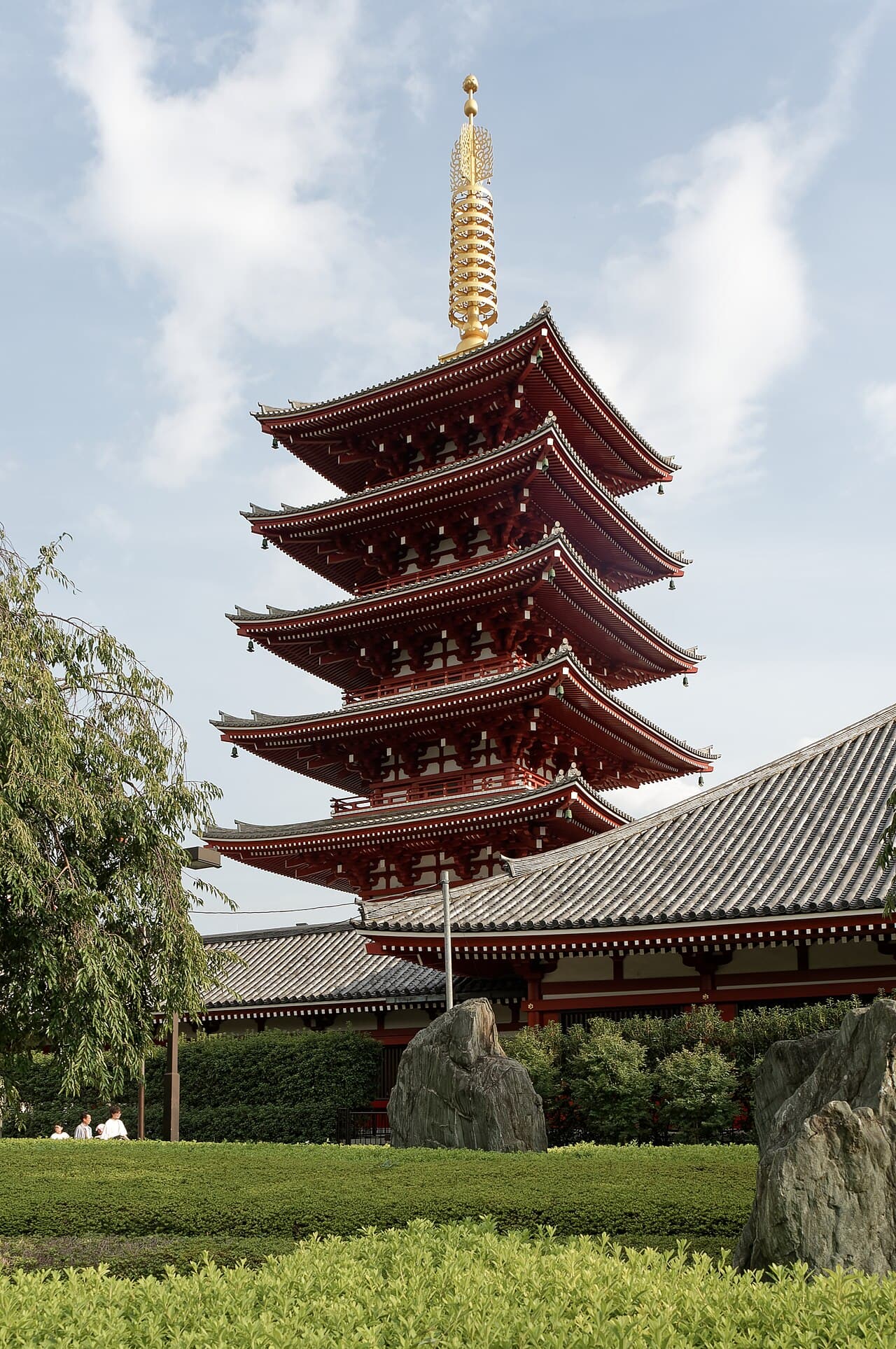
Asakusa gives a first Tokyo morning a clear sense of place: temple gates, Nakamise shopping street, incense, snacks, and side lanes that still feel connected to older Tokyo. Go early enough to enjoy it before the heaviest crowds settle in.
It gives the route a strong cultural start before the itinerary moves into modern neighborhoods.
Crowds build quickly. Keep the visit focused and do not stack too many nearby sights if jet lag is still winning.
Stop 02
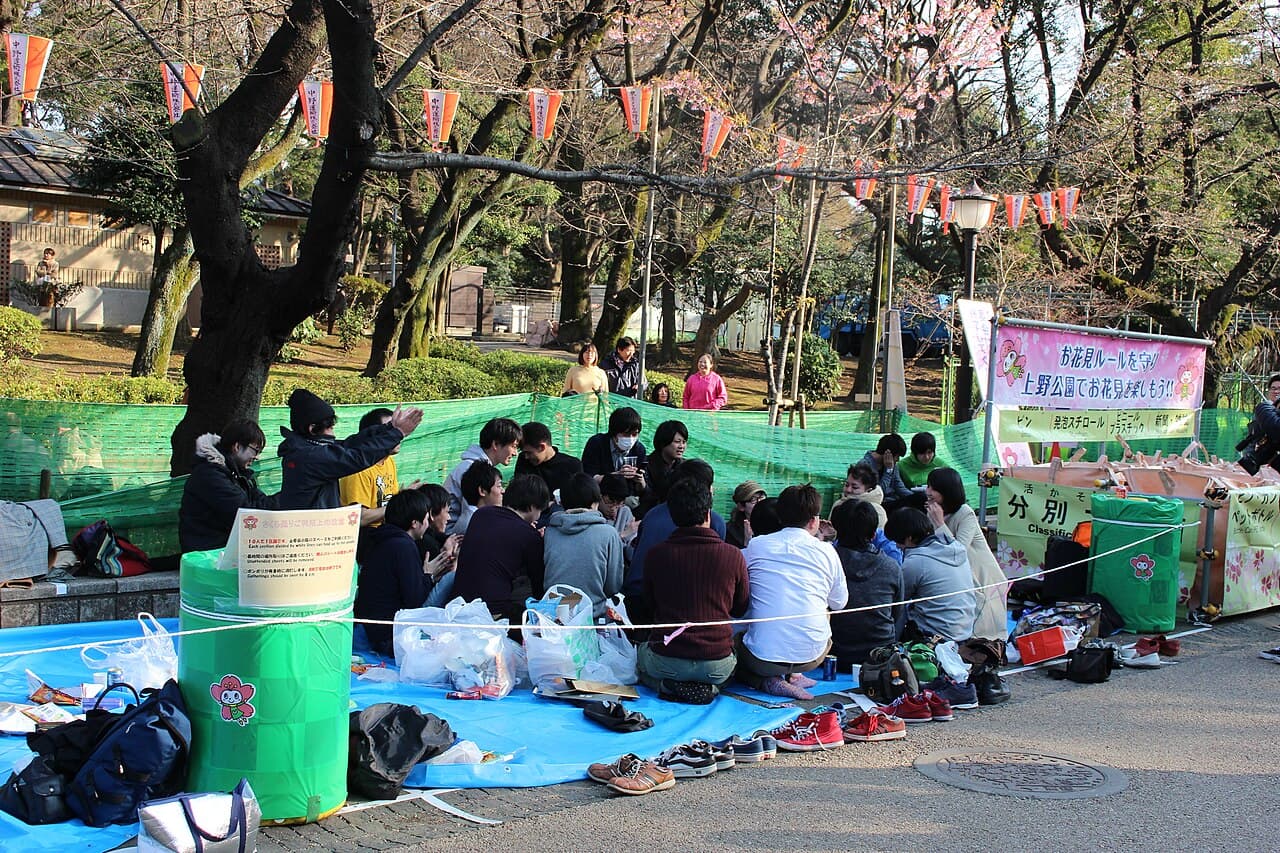
Ueno is useful because it lets the afternoon flex. You can make it a park walk, a museum block, a zoo-area stroll, or a simple recovery stop after Asakusa. It has enough structure to be easy, but not so much that the day gets boxed in.
It gives first-time visitors culture and breathing room without another long cross-town move.
Choose one museum or one park route, not everything in the area. Confirm museum opening days before visiting.
Aitin can adjust this route around your dates, pace, travel buddies, budget, and saved ideas.
Stop 03
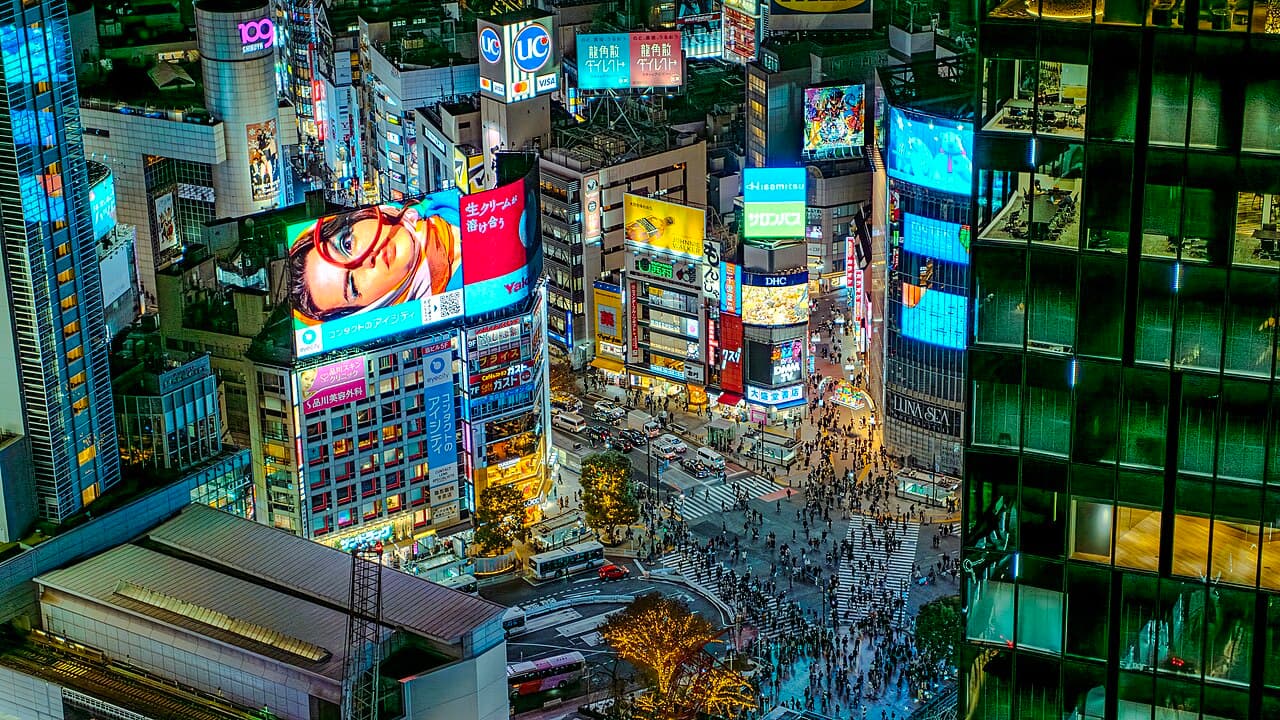
Shibuya Crossing is the obvious Tokyo moment, and that is fine. Treat it as a short anchor, then use the surrounding area for shopping, coffee, viewpoints, or a simple lunch rather than standing in the same crowd for too long.
It gives the route the modern Tokyo hit travelers expect while leaving the rest of the day open.
Station exits can be confusing. Pick a clear meeting point if traveling with others.
Stop 04
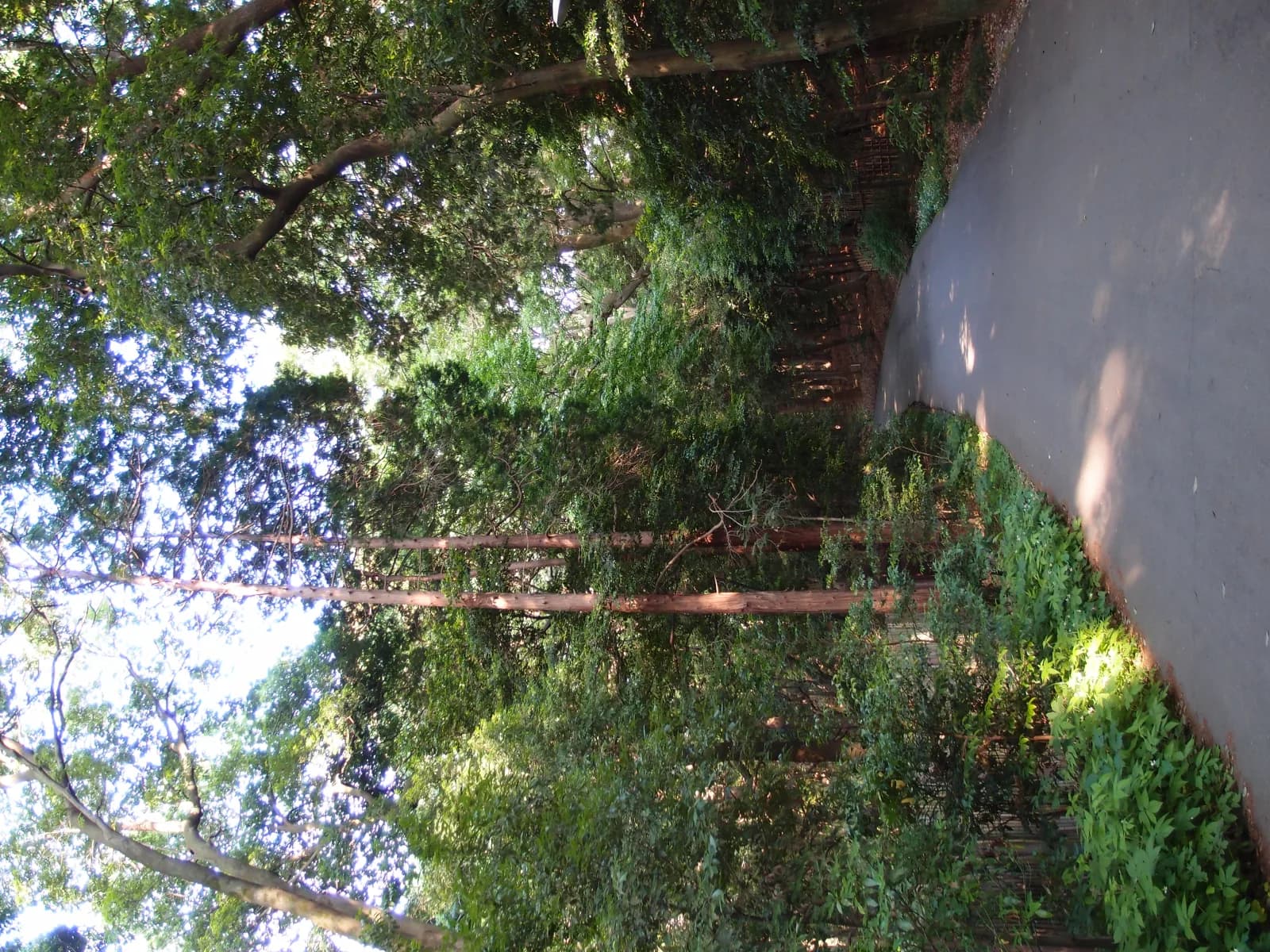
This block works best as a choice: Meiji Shrine if you want trees and quiet, Harajuku side streets if you want youth culture and snacks, or a little of both if the group has energy.
It balances Shibuya’s intensity with a softer or more playful nearby block.
Do not force every Harajuku lane. If crowds are heavy, shift toward Meiji Shrine or Omotesando.
Stop 05
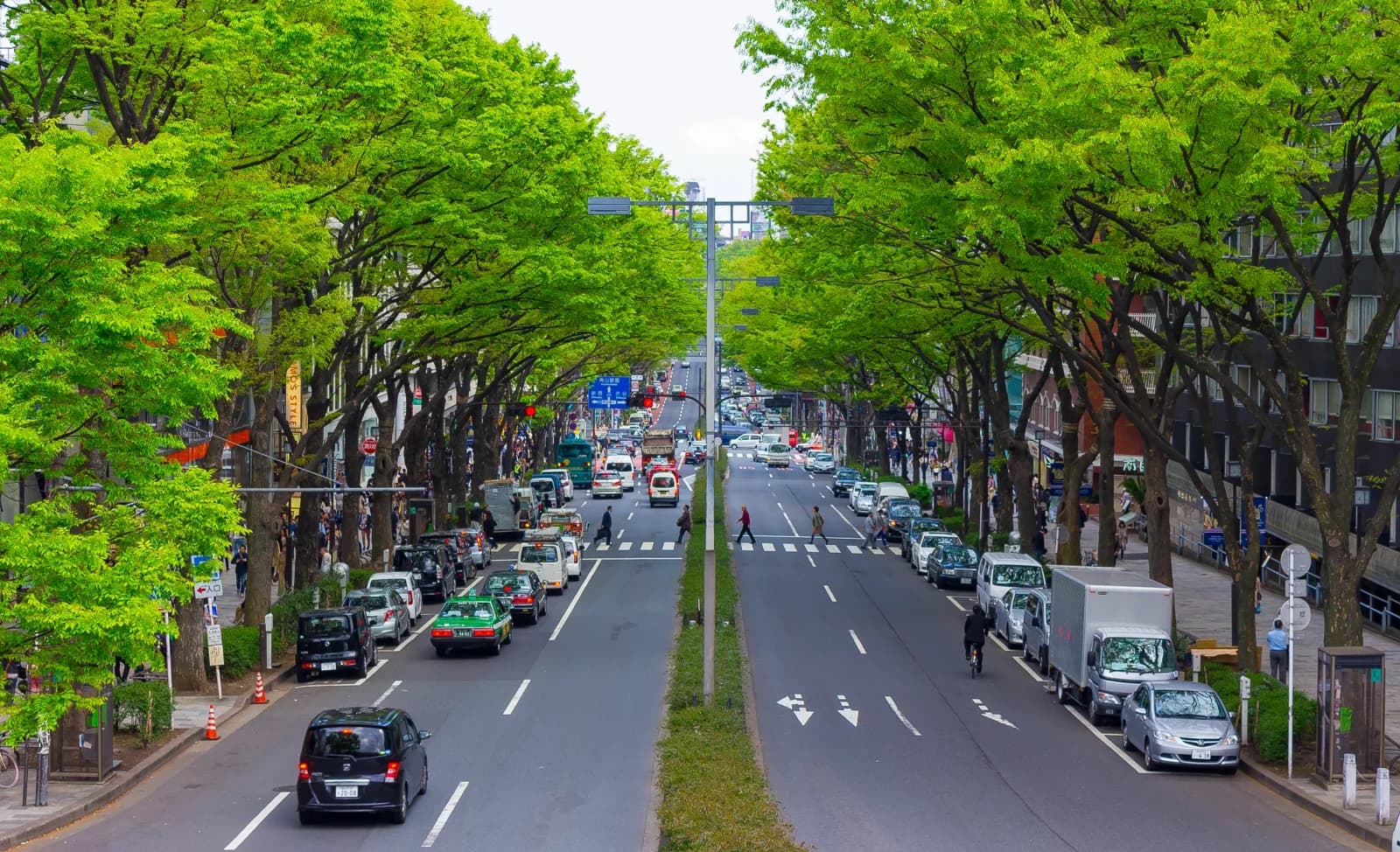
Omotesando is the polished end of the Shibuya-Harajuku day: architecture, brand flagships, cafes, and calmer side streets. It is best used as a short browse and coffee zone, not a shopping marathon.
It gives the classic route a cleaner, calmer shopping finish after Shibuya and Harajuku.
If shopping is not your thing, shorten this and save energy for dinner.
Stop 06
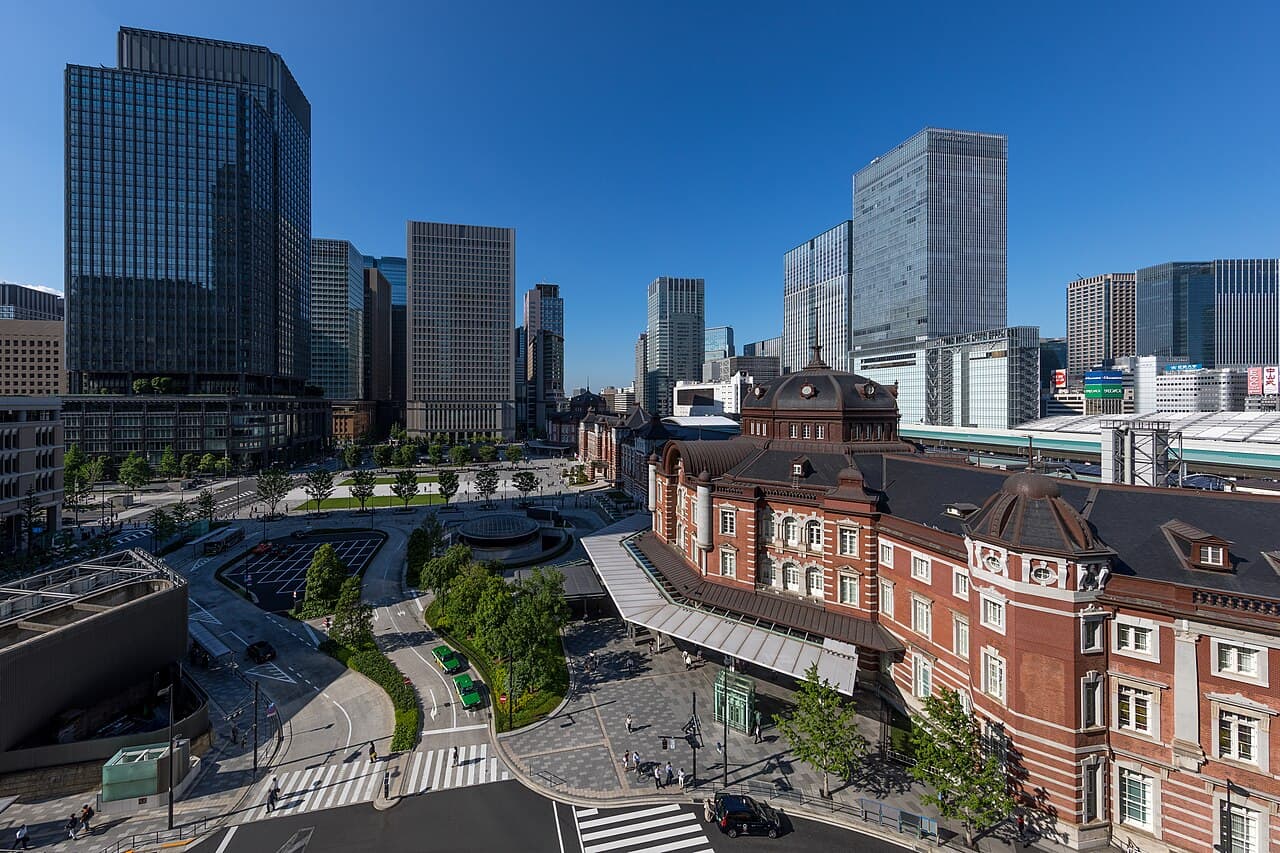
Tokyo Station and Marunouchi make a practical final-day base: architecture, underground food, easy rail access, and a more orderly city-center mood. It is also a useful place to handle shopping or snacks without adding another complicated transfer.
It gives the route a central Tokyo anchor that is both attractive and useful.
Large station complexes are easy to underestimate. Leave buffer time if you have luggage, tickets, or a timed plan afterward.
Stop 07
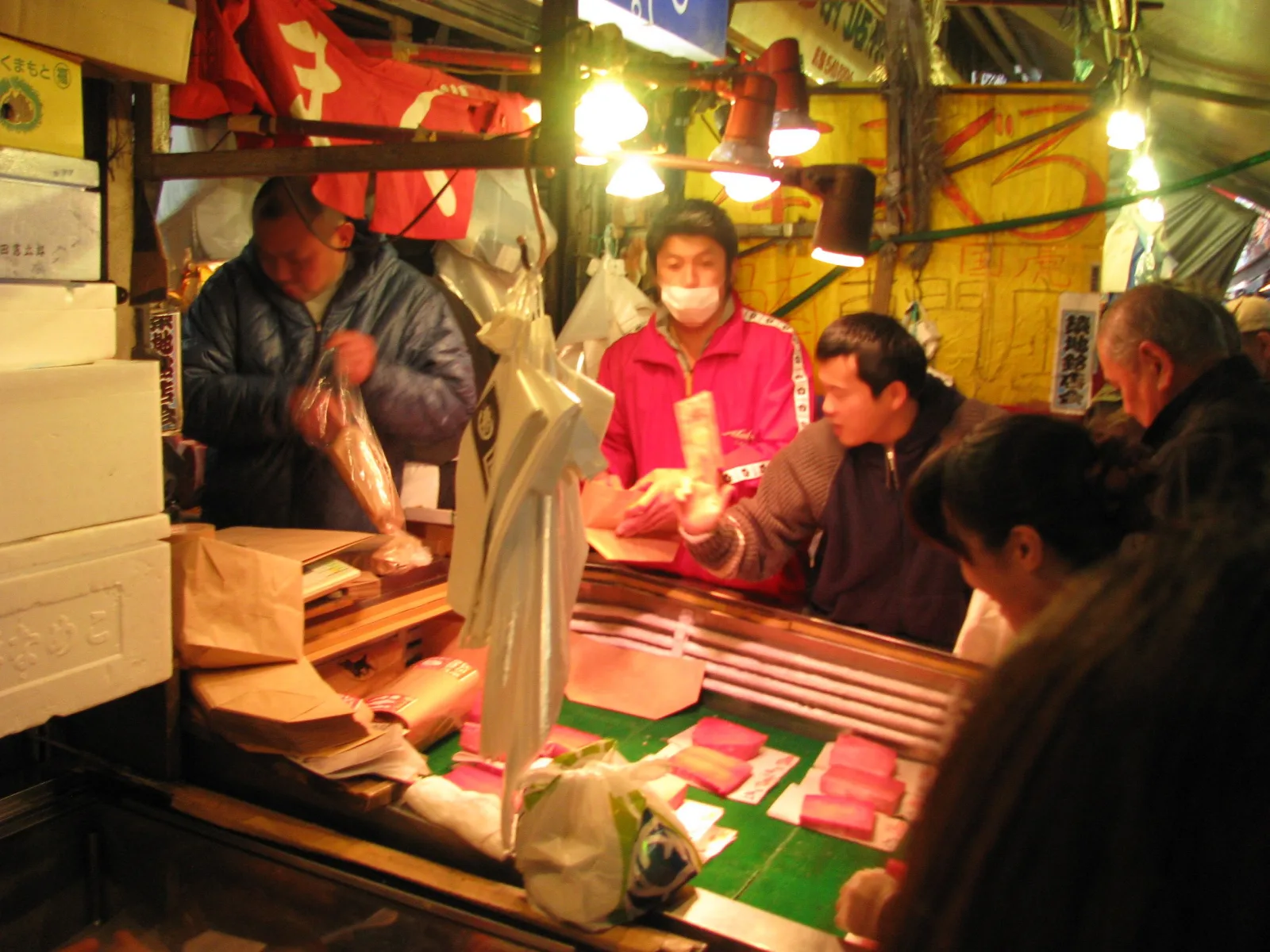
Use this as a flexible food-and-shopping block. If you want snacks and casual browsing, lean Tsukiji Outer Market earlier in the day. If you want department stores, cafes, and polished streets, keep it around Ginza.
It lets the final day adapt to appetite, weather, and shopping interest without adding another huge sightseeing zone.
Tsukiji is better earlier; Ginza works later. Check current market days and avoid assuming every stall opens daily.
First-time Tokyo visitors who want the classic neighborhoods without trying to finish the whole city in one trip.
Two to three anchors per day is enough. Tokyo rewards time to get lost, exit the wrong station gate, and still enjoy the day.
Cluster by side of the city where possible. Transfers are efficient but can be mentally tiring, especially with luggage or kids.
Plan one reliable meal area per day, then let snacks and cafes stay flexible. Reserve ahead only when a specific restaurant matters.
Open Aitin to personalize the route, save your trip, replace stops, export a PDF, and prepare before departure.
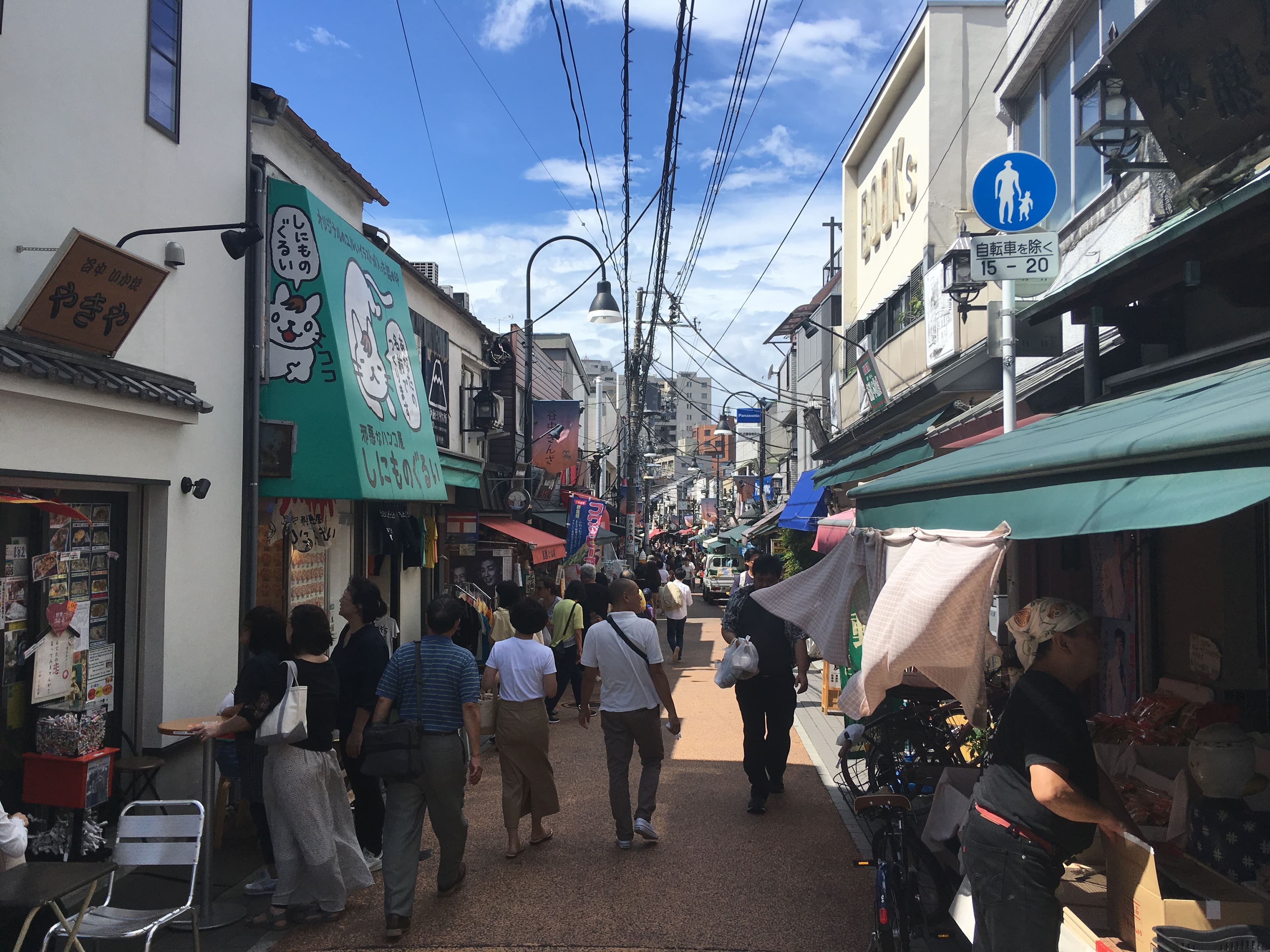
A slower Tokyo route for neighborhoods, cafes, food streets, small shops, and everyday city texture.
View tripA family-friendly Tokyo itinerary with easier pacing, indoor breaks, playful stops, and flexible food options.
View trip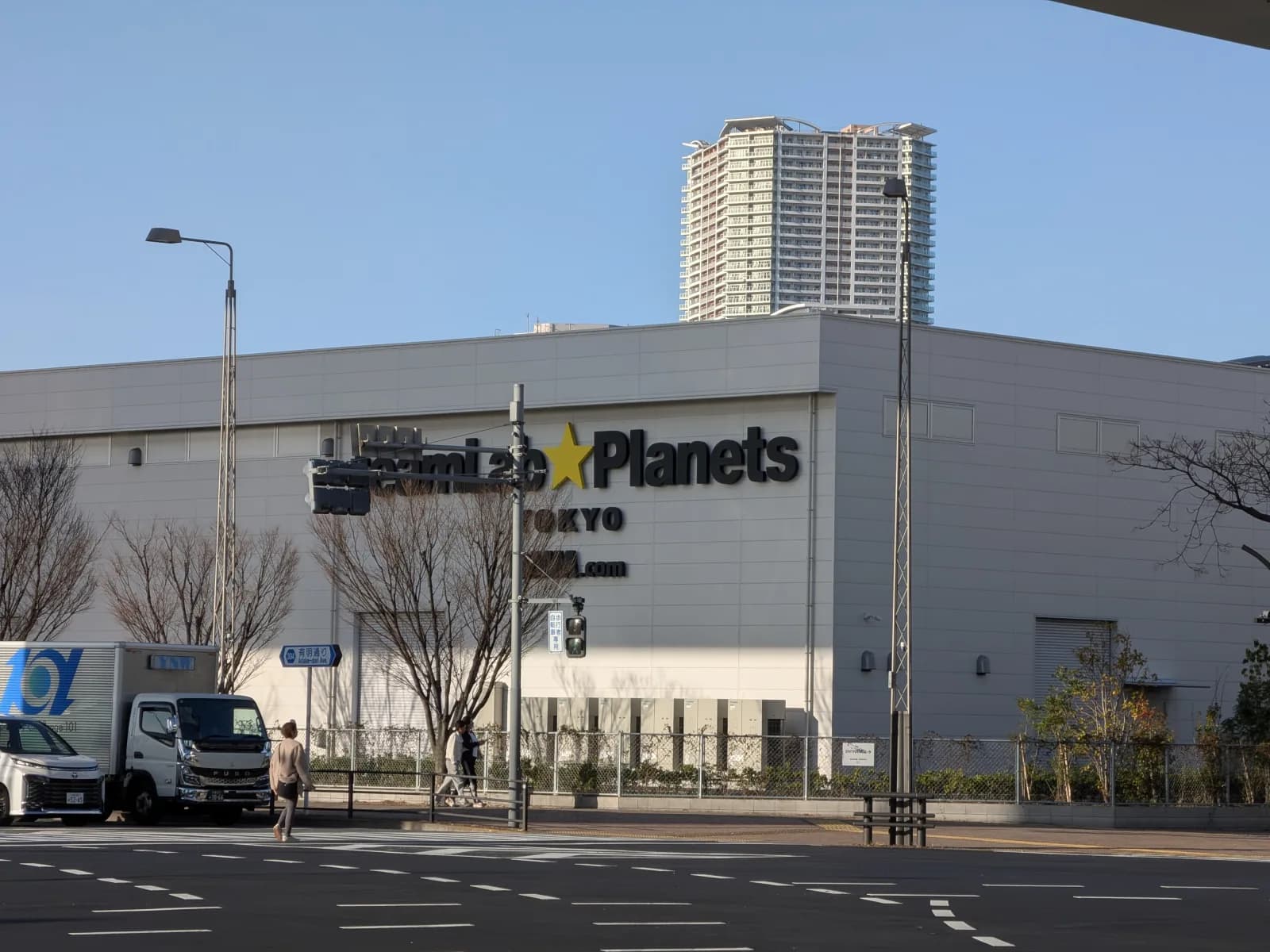
An indoor-friendly Tokyo itinerary for wet-weather days, with museums, food halls, shopping, cafes, and easy station access.
View trip
A local-leaning Bangkok route for food, neighborhoods, creative corners, and slower discovery.
View trip